

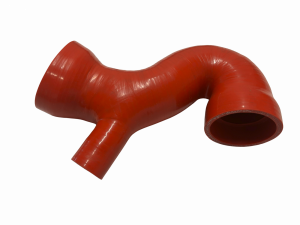
Rubber-to-metal bonded parts for OEMs, machine builders and resellers, vulcanised to your drawing or sample. From prototypes to series of 100,000+ pieces, 5 mm to 1 m.
 Request a Quote
 Explore our products
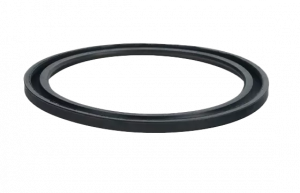
URM manufactures rubber-metal parts, also called rubber-to-metal bonded parts, for OEMs, machine builders and resellers. We vulcanise the rubber directly onto a metal insert, so both act as one component: no loose seal that shifts, no extra assembly step.
Send us a drawing or a worn sample. We produce from prototypes to series of 100,000+ pieces, from 5 mm to 1 m, for customers across Europe. URM has its own production plant in Hungary and is ISO 9001 and ISO 14001 certified.
Every part is made to order. We do not sell standard catalogue sizes, so your part fits your design rather than the other way round.
Valve discs, poppets, valve seats and non-return (check) valve flaps with a vulcanised rubber sealing face, on forged or machined metal bodies, for pumps, compressors and water, gas or air systems. Made to drawing, or copied from a worn valve.
Bonded sealing washers (Dowty-type) in non-standard sizes, threads and compounds, including very large diameters. No minimum order. Used in hydraulics, pneumatics and fuel systems.
Rubber diaphragms with a bonded metal plate or insert, plain or fabric-reinforced, PTFE-faced on request. For pumps, valves, pressure regulators and actuators.
Rubber-metal bushes built around your dimensions, load and required stiffness, for machinery, vehicles and equipment. Custom only.
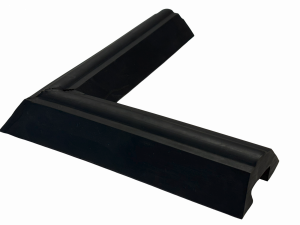
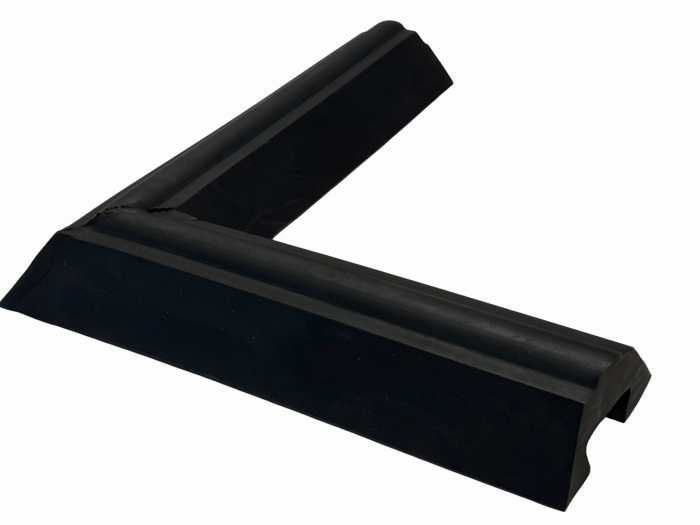
Metal rails and profiles with the rubber vulcanised onto them, made to your drawing and in the compound your application needs.
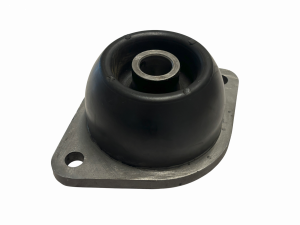
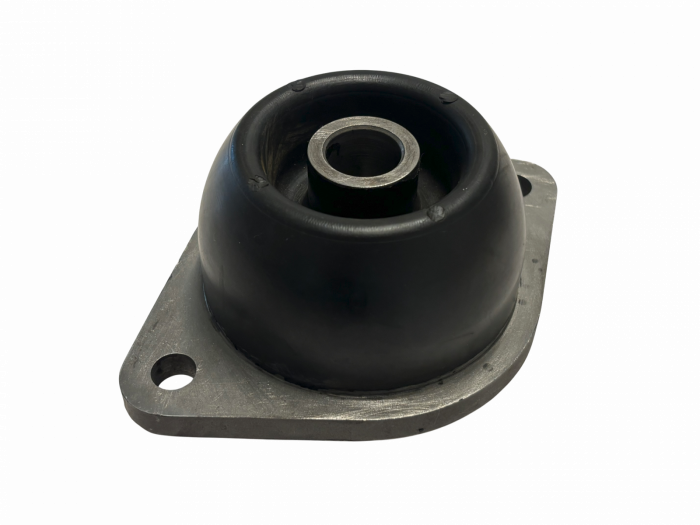
Rubber buffers, end stops and anti-vibration mounts with bonded metal plates or threaded studs, designed for your load and installation space.
Any other part where rubber must stay fixed to metal: rollers, sleeves, overmoulded inserts. Send us the drawing or the part and we will tell you how we would make it.
We bond all common elastomers to carbon steel, stainless steel, aluminium, brass and other alloys. The metal insert is supplied by you or sourced by URM. The rubber is chosen for the medium, temperature and load your part will see.
| Elastomer | Typical temperature range | Strength | Typical rubber-metal use |
|---|---|---|---|
| NBR (nitrile) | −30 °C to +100 °C | Oil and fuel resistance | Bonded seals, hydraulic valves |
| HNBR | −30 °C to +150 °C | Oil resistance at higher temperatures | Valves and seals in hot oil |
| EPDM | −40 °C to +130 °C | Water, steam, weather and ozone | Water and air valves, diaphragms |
| FKM (Viton®) | −20 °C to +200 °C | Chemicals, fuels, heat | Chemical valves, fuel-system seals |
| Silicone (VMQ) | −60 °C to +200 °C | Temperature extremes, food-grade grades | Food and hygienic applications |
| Natural rubber (NR) | −50 °C to +80 °C | Elasticity, damping, abrasion | Bushes, buffers, anti-vibration mounts |
| Neoprene (CR) | −30 °C to +100 °C | Weather and moderate oil resistance | Marine and outdoor parts |
Food-grade compounds are available. Aluminium inserts can be anodised before bonding. Diaphragms can be reinforced with polyester, nylon, aramid, carbon fibre or metal mesh.
Drawing or sample
We review your drawing, or measure and analyse a worn part when there is no drawing.
Material choice
We match rubber, hardness and metal to the medium, temperature and load.
Preparation and moulding
The insert is degreased, sand-blasted or laser-treated, and coated with a bonding agent. The rubber is then vulcanised onto it by compression, transfer or injection moulding.
Testing and series production
Bond strength is peel-tested in our own lab, with a test certificate on request. Series follow once the first articles are approved.

Precision rubber parts for door gripping profiles, boot seals, coolant and hydrogen hoses, vibration dampers, and thermal and acoustic insulation in passenger vehicles and electric buses.
Learn more
Door seals, window gaskets, vibration isolation mounts, rubber bellows, and fluid hoses for buses, coaches, trains, and rail vehicles — engineered for high-cycle durability and passenger safety.
Learn more
Durable seals, profiles, machine covers, and protective components for production equipment, conveyors, hydraulic systems, and general industrial machinery.
Learn more
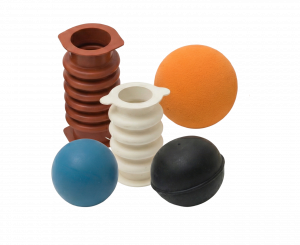
Abrasion and weather-resistant hoses, gaskets, moulded parts, screen balls, and PU components that keep agricultural machinery and off-highway equipment reliable in demanding field conditions.
Learn more
Saltwater-resistant door seals, hatch gaskets, deck profiles, and fluid-handling components engineered for UV, corrosion, and harsh offshore environments.
Learn more
FKM, NBR, and specialist elastomer components for process pipework, tank sealing, pump protection, and equipment in aggressive chemical environments — compound selection is everything.
Learn more
FDA-compliant silicone profiles, gaskets, and hoses for hygienic sealing in food processing lines and pharmaceutical manufacturing environments — certified, traceable, and specified for direct food contact.
Learn moreYes. In vulcanised bonding the rubber cures directly onto a cleaned, sand-blasted or laser-treated and primed metal surface, which creates a chemical bond. The aim is that the rubber tears before the bond fails. Glue only sits on the surface and can creep, age or let go under load, heat, oil or pressure. It suits repairs, not series components.
We bond all common elastomers, including NBR, EPDM, FKM, silicone, natural rubber, neoprene, HNBR and food-grade compounds, to carbon steel, stainless steel, aluminium, brass and other alloys. Aluminium can be anodised first. The metal insert is supplied by you or sourced by URM.
From prototypes to series of 100,000 pieces and more. Tooling cost is shared between URM and the customer, which keeps the entry cost low for smaller series.
Yes. Send us the part, even without a drawing. We measure it, determine the rubber and metal, and produce an equivalent, or an improved version if the original failed early.
We peel-test bonded parts in our own laboratory and supply a test certificate on request. Material certificates (including 3.1), first-article inspection reports and food-grade declarations are available on request.
Yes, made to measure only. Send the dimensions, load, required stiffness and operating environment, and we design the rubber-metal bush around them. We do not supply standard catalogue sizes.
Yes. We vulcanise rubber onto metal rails and profiles to your drawing, in the compound your application needs. Send a drawing or a sample for a quote.
Whether you're a startup or an established corporation, we're here to assist you in fulfilling your rubber-metal product needs. Contact us to request a quote - our dedicated team will ensure prompt and personalized assistance tailored to your specific requirements.
 Request a Quote
URM excels in rubber-metal products worldwide, accommodating orders of any size with our advanced rubber molding press. Our commitment to excellence and innovation ensures top-quality solutions, cementing our global leadership in the industry.