Precision rubber parts for door gripping profiles, boot seals, coolant and hydrogen hoses, vibration dampers, and thermal and acoustic insulation in passenger vehicles and electric buses.
 Request a Quote
 Explore our products
Automotive rubber components must meet strict dimensional, performance, and documentation requirements — and those requirements are evolving rapidly as OEMs transition to electric and hydrogen powertrains, introducing new thermal, chemical, and pressure challenges for rubber components throughout the vehicle.
Automotive production lines have zero tolerance for components that do not fit first time. Dimensional consistency across every production batch is a baseline requirement backed by our ISO 9001 quality system.
Electric vehicles introduce new rubber challenges: battery thermal management hoses at higher pressures and temperatures, high-voltage cable sealing, and — for fuel cell vehicles — hydrogen-compatible elastomers with ultra-low permeability.
A single vehicle platform uses rubber in EPDM (door seals, exterior), NBR (oil-adjacent), silicone (high-temperature engine bay), and FKM (fuel system). A supplier with the full compound range reduces qualified suppliers per platform.
Vehicle platforms remain in production for 6–10 years, and spare parts supply extends further. Tooling must be maintained, compounds must remain consistent, and dimensional records must support production continuity.
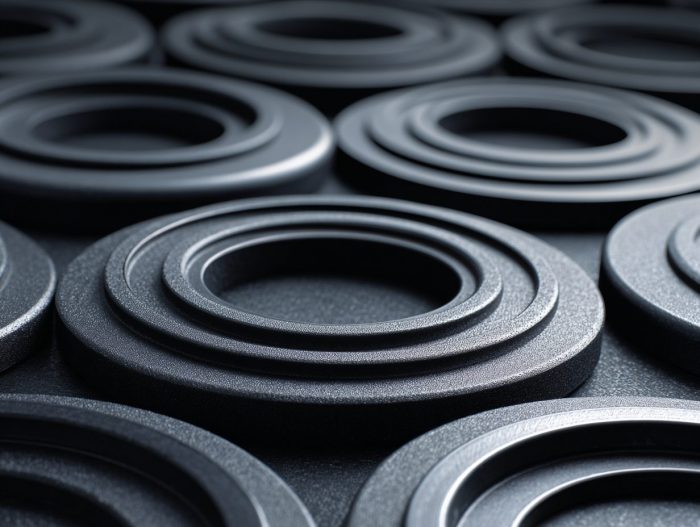
URM supplies precision rubber components for passenger vehicle and EV platforms — from extruded door seals to bonded rubber-metal mounts and high-performance thermal management hoses.
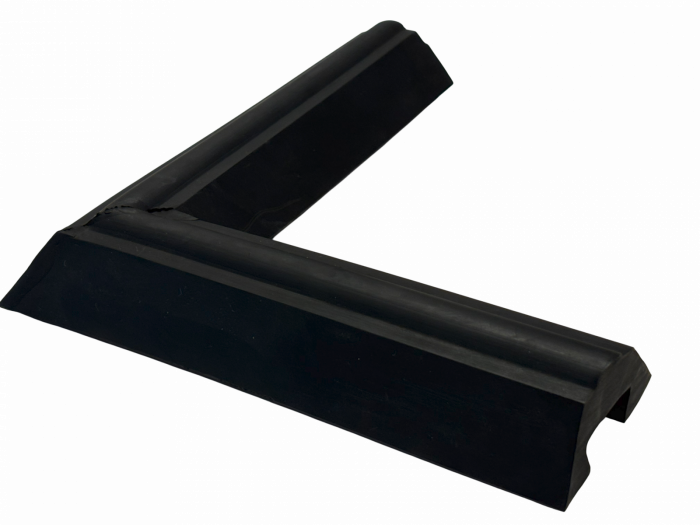
Rubber Extrusions & Profiles
Door gripping profiles, boot seals, window run channels, sunroof seals, and acoustic insulation strips. EPDM for exterior positions; silicone for high-temperature; NBR for oil-adjacent sealing.
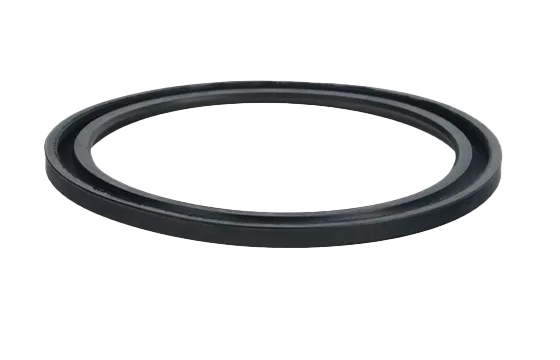
Rubber Gaskets
Engine cover gaskets, access panel seals, and powertrain sealing elements. NBR and FKM for oil and fuel resistance; EPDM and silicone for coolant and thermal applications.
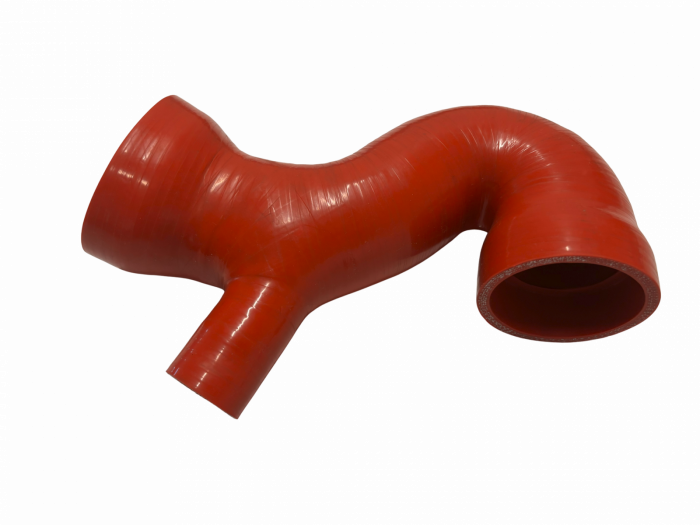
Rubber Hoses & Elbows
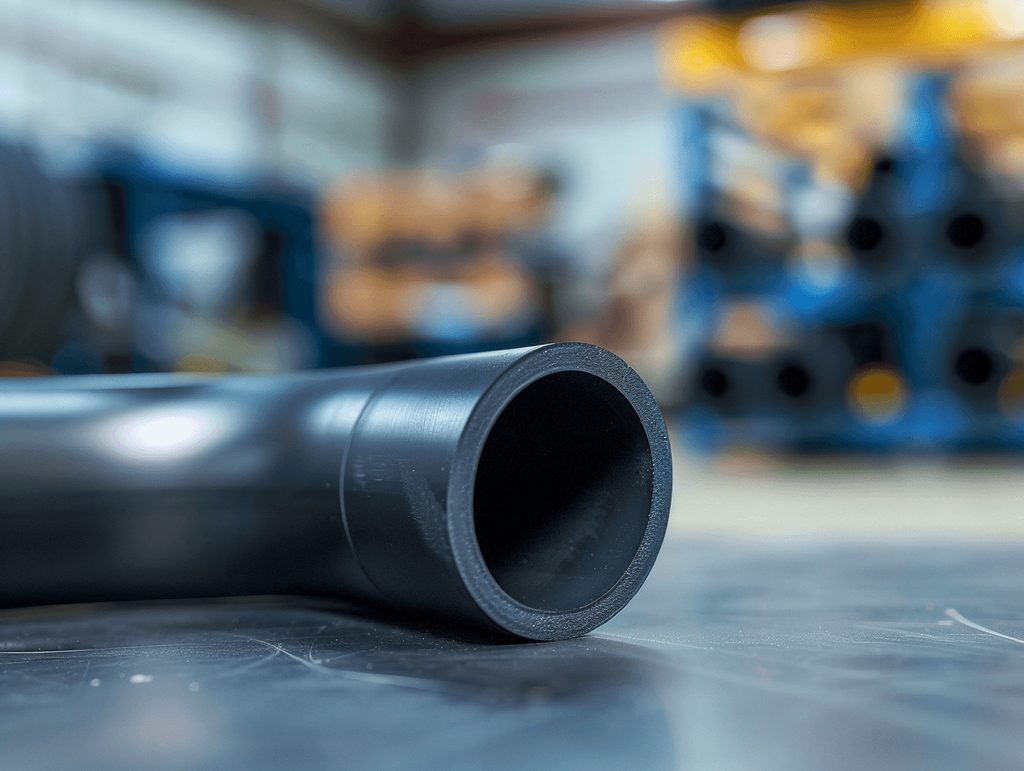
Coolant hoses, intercooler hoses, HVAC ducting, and battery thermal management hoses for EV platforms. Hydrogen fuel line hoses for fuel cell vehicles. Custom compound and reinforcement specification.
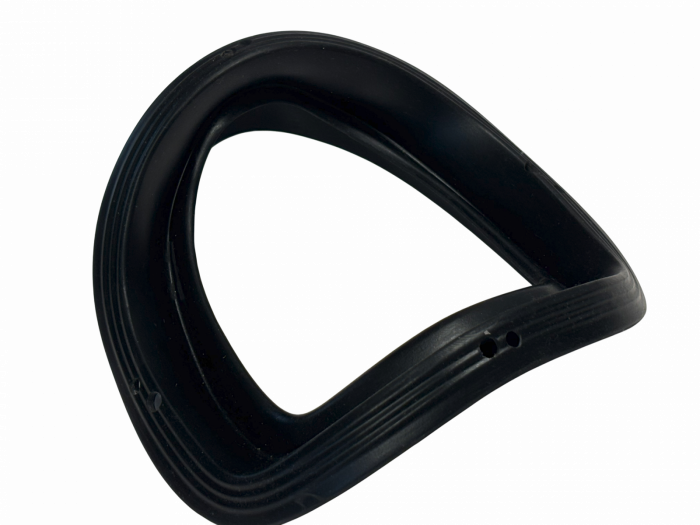
Custom Rubber Moulded Parts
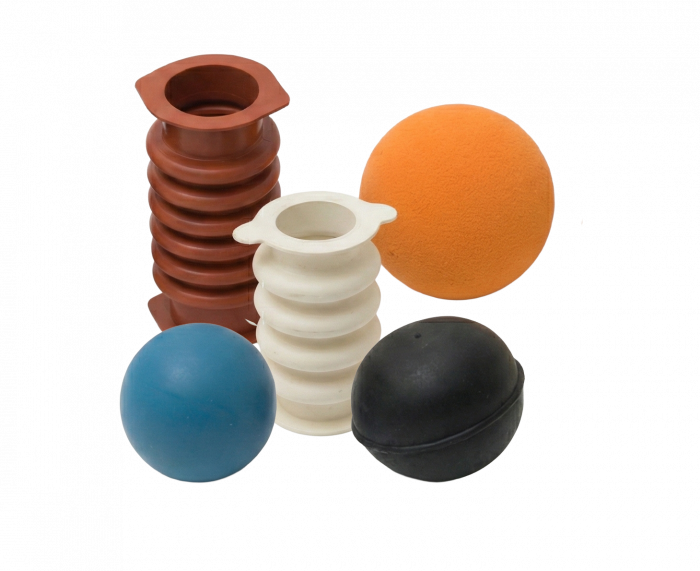
Grommets, buffers, bump stops, dust covers, and complex moulded sealing elements for body, chassis, and powertrain applications. Produced from OEM drawings.
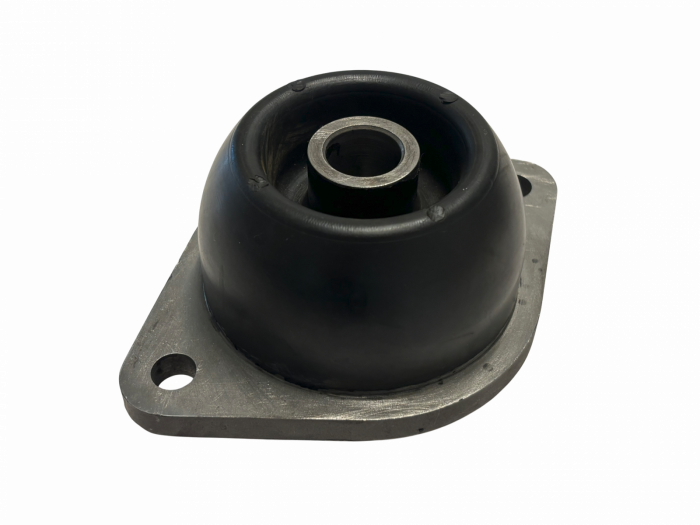
Rubber-Metal Parts
Bonded rubber-metal vibration dampers and engine mounts for powertrain isolation. Custom load ratings and frequency characteristics to OEM specification.
URM components are used across passenger cars, commercial vehicles, electric vehicles, and hybrid powertrains — in body sealing, thermal management, vibration isolation, and protection systems.
EPDM door aperture seals, boot lid seals, and window run channel extrusions. Engineered for low closure force, high-cycle durability, and consistent compression set performance across the platform lifecycle.
EPDM coolant hoses and silicone high-temperature hoses for engine and EV battery thermal management. Custom elbow geometries and reinforcement specifications.
Thermal management hoses, battery compartment seals, and high-voltage cable management grommets for electric vehicle platforms. EPDM and silicone for thermal systems.
Rubber hoses and sealing components for hydrogen fuel cell vehicle systems. Ultra-low permeability compounds and pressure ratings specified with OEM engineering teams.
Bonded rubber-metal engine mounts, gearbox mounts, suspension bushings, and exhaust hangers for powertrain isolation and NVH performance.
CV joint boots, steering rack bellows, and ball joint dust covers in NBR and neoprene. Resistant to road splash, oil contamination, and temperature cycling.
EPDM and silicone profiles for sunroof perimeter sealing and fixed glazing. Precision-extruded for correct glass retention and acoustic seal performance.
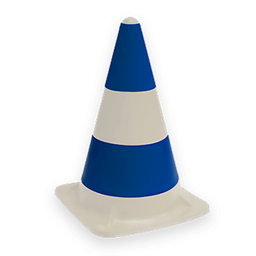
Rubber traffic cones for automotive manufacturing facilities, vehicle proving grounds, and dealer workshop traffic management.
1. Full compound range on one platform
EPDM, silicone, NBR, neoprene, FKM — all available in-house. One qualified supplier for the full rubber component range across a vehicle platform reduces supplier management complexity.
2. EV and hydrogen engineering capability
Our engineering team works with EV OEMs and Tier 1 suppliers on thermal management hose specifications, HV cable sealing, and hydrogen-compatible elastomers.
3. ISO 9001 production consistency
Automotive requires the same component every time. Our quality management system provides dimensional control, material traceability, and batch documentation as standard.
4. Platform lifecycle tooling management
Custom tooling produced for your vehicle platform is held and maintained through the full production lifecycle — same compound, same dimensions, same quality.
5. Precision moulding for complex geometries
Automotive rubber components often involve complex moulded geometries — CV joint boots, multi-lip seals, co-moulded rubber-metal assemblies. Our tooling and moulding capability handles these to OEM tolerance.
6. Belgium-based European supply
Headquartered in Belgium since 1935 — well-positioned for European automotive OEMs and Tier 1 clusters. Fast EU delivery to support JIT production schedules.
EPDM is the most common compound for EV battery cooling circuit hoses — its excellent resistance to water, steam, and ethylene glycol coolants combined with a service temperature up to +130°C suits most EV thermal management requirements. For higher-temperature positions or specific coolant formulations, silicone is specified. Our engineers assess the coolant chemistry, operating pressure, temperature range, and hose geometry to confirm the correct compound.
A CV joint boot is a bellows-shaped rubber cover that protects the CV joint grease from contamination and retains it in the joint. NBR (nitrile) is the standard compound for oil resistance. Neoprene is used where balanced weather and oil resistance is required. The boot must flex through the full angular range of the joint without cracking, while resisting road splash, oil, and temperature cycling.
Yes. URM produces bonded rubber-metal anti-vibration mounts for electric vehicle powertrain mounting. EV motor vibration profiles differ from ICE engines — typically higher frequency with lower amplitude. Our engineers specify the rubber compound hardness and geometry to achieve the required isolation frequency and static load rating for your powertrain layout.
Yes. If an existing tooled profile needs to be matched for production continuity or supplier transition, send us the component drawing and compound specification. We will audit the cross-section, verify tolerances, and produce a matching die. Our ISO 9001 documentation provides the traceability required for automotive supplier qualification.
Yes, though hydrogen applications require careful engineering assessment. Hydrogen permeation through rubber is a function of compound type, pressure, and temperature. We work with OEM engineering teams to specify the correct elastomer for hydrogen contact applications. Please provide your system pressure, temperature, and line diameter when enquiring.
Our ISO 9001 certified quality management system provides material certificates, dimensional inspection reports, compound traceability, and batch documentation as standard. For automotive applications requiring PPAP or first article inspection documentation, please discuss requirements at the quotation stage.
Send us your platform drawings, compound specifications, and production volumes. Our engineering team will develop a proposal for long-term platform supply.
 Request a Quote
View all products
Request a Quote
View all products