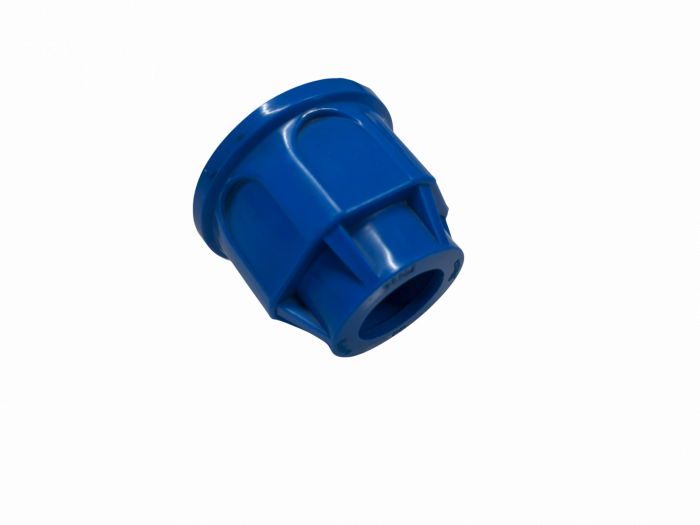
Saltwater-resistant door seals, hatch gaskets, deck profiles, and fluid-handling components engineered for UV, corrosion, and harsh offshore environments.
 Request a Quote
 Explore our products
Marine rubber components face a demanding combination of failure modes: continuous UV and ozone exposure, saltwater immersion, mechanical abrasion, and the need to maintain a watertight seal across significant temperature and pressure variation. The correct compound for each position is critical — in marine applications, component failure often means water ingress.
Marine seals and deck profiles are continuously exposed to saltwater splash and spray, UV radiation, and ozone. Neoprene (CR) and EPDM are the standard compounds for these positions. NBR is not suitable for exterior marine positions.
Hatch and watertight door seals must maintain a reliable seal under the mechanical load of a dogging mechanism, over many years of operation, without taking a permanent set that would allow water ingress.
Marine engine rooms carry fuel, seawater cooling, lubricating oil, and bilge water — each requiring a compatible rubber compound for hoses and seals. NBR for oil and fuel; EPDM for freshwater cooling.
Offshore vessels experience more extreme conditions than inshore craft — higher UV intensity, more frequent wave contact, salt spray. Compound specification must account for the specific service environment.
URM supplies the rubber components required for vessel construction and marine equipment manufacturing — from extruded hatch and door seals to fluid-handling hoses and precision-moulded components.
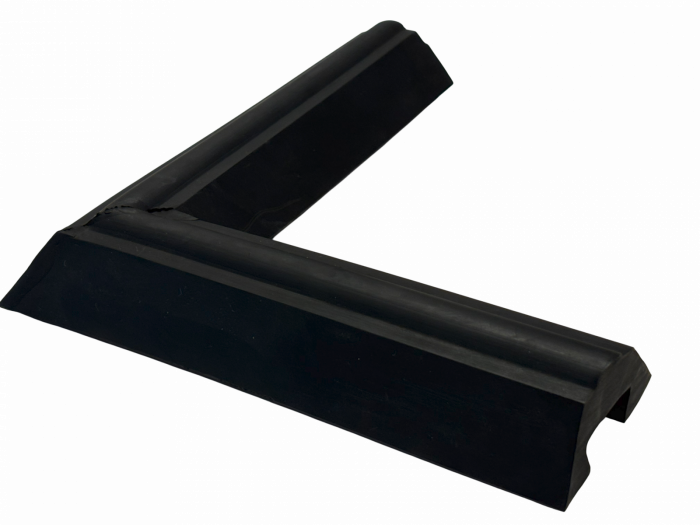
Rubber Extrusions & Profiles
Hatch seals, watertight door seals, porthole gaskets, and deck profiles in neoprene and EPDM. Custom cross-sections for vessel-specific hatch and door geometries. UV and saltwater resistant.
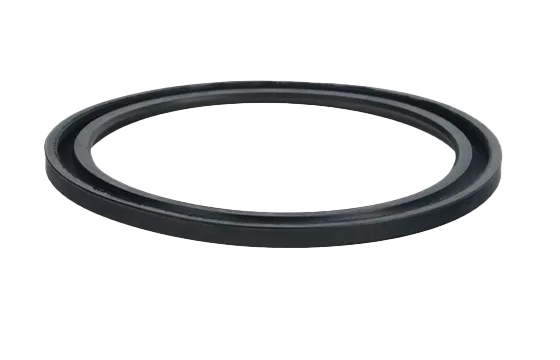
Rubber Gaskets
Flanged pipe joint gaskets, inspection hatch gaskets, and mechanical seal elements in neoprene, EPDM, and NBR. For engine room pipe systems and structural connections.
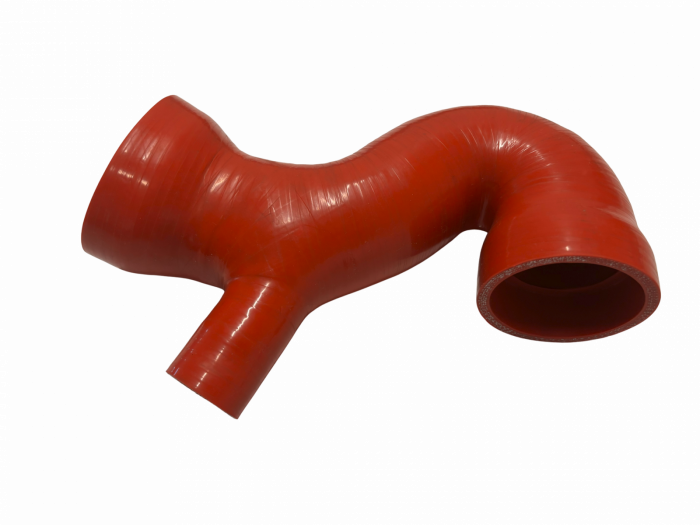
Rubber Hoses & Elbows
Marine engine room hoses for seawater cooling, fuel transfer, bilge systems, and HVAC. NBR for oil and fuel; EPDM for freshwater and seawater cooling circuits. Custom lengths and elbow geometries.
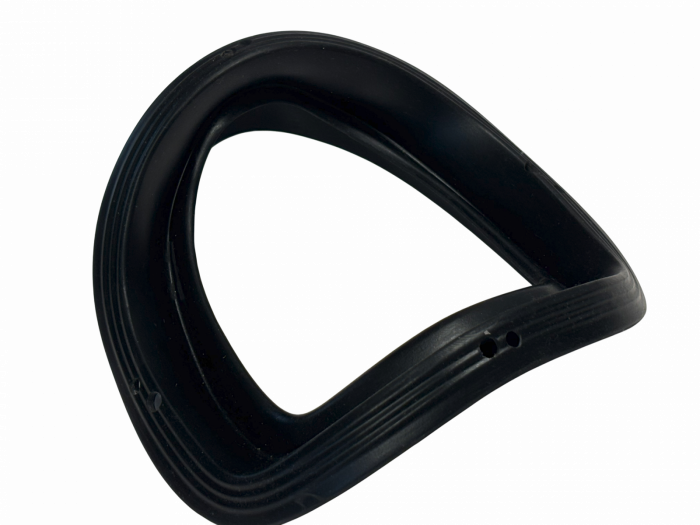
Custom Rubber Moulded Parts
Deck equipment buffers, mooring protection pads, cable pass-through seals, and structural protection components. Moulded from your drawings in the appropriate marine compound.
URM rubber components are used in commercial vessel construction, recreational marine manufacturing, offshore equipment, and marine infrastructure.
Neoprene and EPDM extruded seals for weathertight and watertight hatches, companionway doors, and access covers on commercial and recreational vessels.
Rubber glazing gaskets for portholes, wheelhouse windows, and fixed glazing on vessels. EPDM for UV and weather resistance; neoprene for combined oil and weather environments.
Rubber hoses and gaskets for seawater cooling circuits, fuel transfer, bilge pumps, and HVAC systems in marine engine rooms. Compound specified per fluid and temperature.
Moulded rubber deck buffers, mooring protection pads, fairlead liners, and anti-chafe components. Abrasion-resistant compounds for continuous mechanical contact.
Rubber sealing and protection components for offshore platforms, sub-sea equipment enclosures, and marine renewable energy installations.
Hatch seals, window gaskets, and deck profiles for sailboats, motorboats, and canal boats. Standard cross-sections and bespoke profiles for boat builders and refit specialists.
Rubber fender components, dock edge protection, and structural gaskets for harbour facilities, locks, and marine structures.
Durable hatch and door seals for commercial fishing vessels operating in demanding North Sea, Atlantic, and Arctic conditions. Neoprene standard for combined cold and UV resistance.
1. Marine compound expertise
Neoprene and EPDM for exterior sealing; NBR for engine room fluid systems. We understand which compound is correct for each position on a vessel and will not cross-specify materials for convenience.
2. Custom hatch geometry capability
Vessel hatch and door geometries vary significantly between builders. URM produces bespoke rubber sealing profiles from your hatch drawings — whether rectangular, oval, or complex — held for repeat production.
3. ISO 9001 documentation for class approval
Marine classification societies require material traceability and quality documentation for structural and safety-critical components. Our ISO 9001 QMS provides the material certification and traceability that supports class approval.
4. Full marine rubber range
Extruded seals, gaskets, engine room hoses, and moulded deck components — all marine rubber requirements from one qualified supplier with full material traceability.
5. Long-term supply for vessel series production
Vessel builders producing series vessels need consistent rubber components across production runs. Our tooling library and call-off supply model provides dimensional and compound consistency throughout a production programme.
6. Belgium-based, European supply
Headquartered in Belgium with fast delivery across the EU. Well-positioned for European shipbuilders, marine equipment manufacturers, and refit yards across the North Sea, Baltic, and Mediterranean.
Neoprene (CR — chloroprene rubber) is the traditional marine compound for hatch and door seals. It offers good UV and weathering resistance combined with moderate oil and flame resistance — relevant for engine room hatches. EPDM is the alternative for exterior positions where the highest UV and ozone resistance is required and oil contact is not a factor. Both provide the low compression set required for reliable watertight sealing.
Yes. URM produces bespoke rubber hatch seal extrusions from your cross-section drawings. Vessel hatches vary considerably in geometry — from simple rectangular companionway hatches to oval engine room hatches and complex coaming profiles. Our engineers develop the die from your drawings and hold the tooling for the vessel series production run.
Seawater cooling circuits typically use EPDM hoses — EPDM has excellent resistance to water and provides good service life in seawater environments. For circuits carrying fuel or oil, NBR (nitrile) is the correct specification. Our engineers require the fluid type, operating temperature, pressure, and bore diameter to specify the correct hose compound and construction.
Yes, though offshore and sub-sea applications require careful engineering assessment. Offshore service environments vary significantly — topside UV and weather exposure, splash zone, subsea — and each has specific compound and construction requirements. Please describe your service environment, depth if subsea, fluid contact, and temperature range when enquiring.
Yes. Extruded rubber hatch seal profiles can be vulcanisation-bonded or adhesive-joined at their ends to form continuous rectangular or oval hatch seal frames. Corner bonding ensures the seal is continuous around the full hatch perimeter — critical for watertight performance. URM carries out frame bonding in-house.
NBR (nitrile rubber) has poor UV and ozone resistance — it will crack and harden rapidly on deck or above-waterline exterior positions. Standard SBR and natural rubber are similarly not suitable for outdoor marine exposure. Only EPDM and neoprene should be specified for exterior marine positions. This is a common specification error we encounter during vessel refits — and it is straightforward to avoid at the design stage.
Send us your hatch drawings, vessel specification, and compound requirements. Our engineering team will specify saltwater-resistant rubber components and respond with a proposal for series production supply.
 Request a Quote
View all products
Request a Quote
View all products