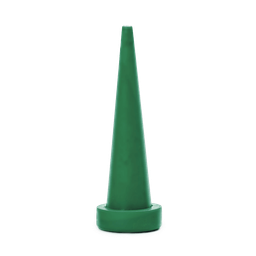
EPDM glazing gaskets, curtain wall seals, expansion joint profiles, and door and window sealing for residential and commercial construction — engineered for 50-year service life.
 Request a Quote
 Explore our products
Building envelope rubber components must perform silently for decades — there is no maintenance access to a glazed facade or curtain wall system once it is installed. The failure mode is not sudden but gradual: compression set, UV degradation, hardening, and water ingress. Specifying the correct compound and cross-section from the outset is the only protection against premature failure.
Exterior rubber profiles on facades, window frames, and glazing systems are continuously exposed to UV, ozone, and weathering. EPDM is the standard specification precisely because its polymer structure resists these failure mechanisms for decades.
A glazing gasket or door seal that takes a permanent set within 5–10 years no longer seals correctly. Compound selection and curing method both affect compression set — correct specification at the design stage is critical.
Glazing gaskets must hold tight dimensional tolerances to retain glass correctly in the frame. Variations in channel width cause glass rattle, water ingress, or glass displacement under wind load.
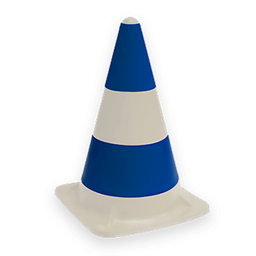
Construction sites and completed developments require traffic management. URM’s rubber traffic cones and screen balls support both site safety and quality screening in construction material processing.
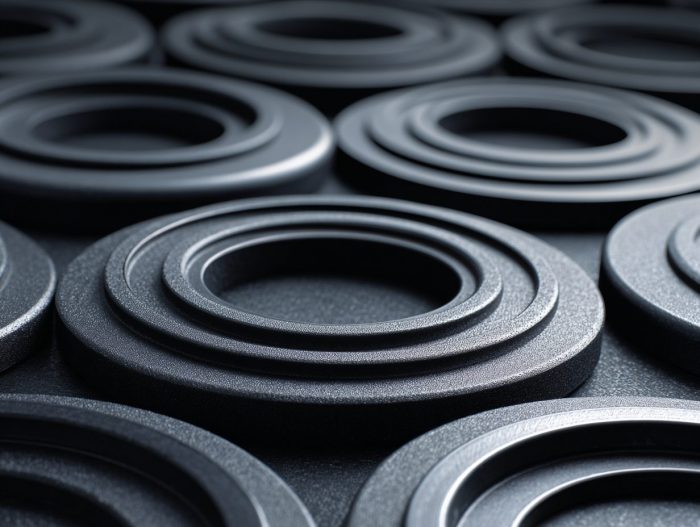
URM supplies a focused range of rubber components matched to the construction industry’s performance requirements — from precision glazing gaskets for system windows to traffic cones for site management.
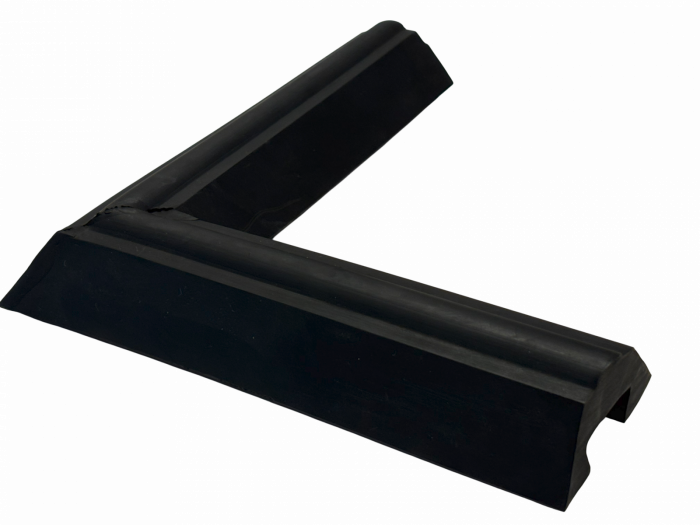
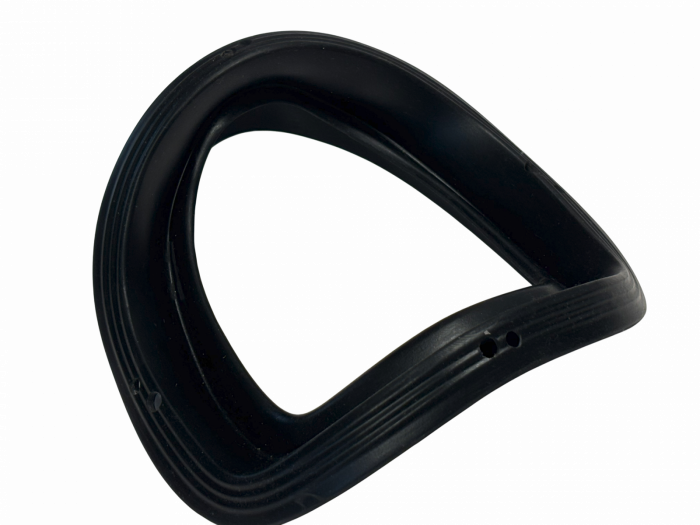
Rubber Extrusions & Profiles
EPDM glazing gaskets, curtain wall seals, U-channels, D-seals, and expansion joint profiles. Bespoke cross-sections produced from your drawings. Standard and custom dimensions. ISO 9001 certified.
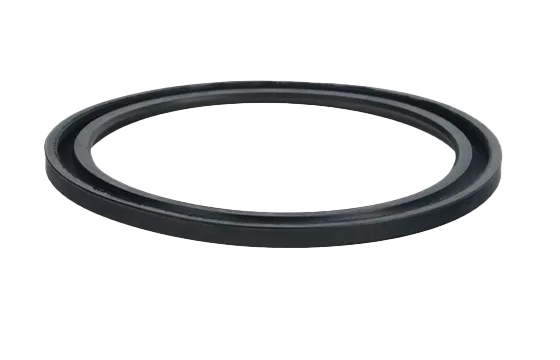
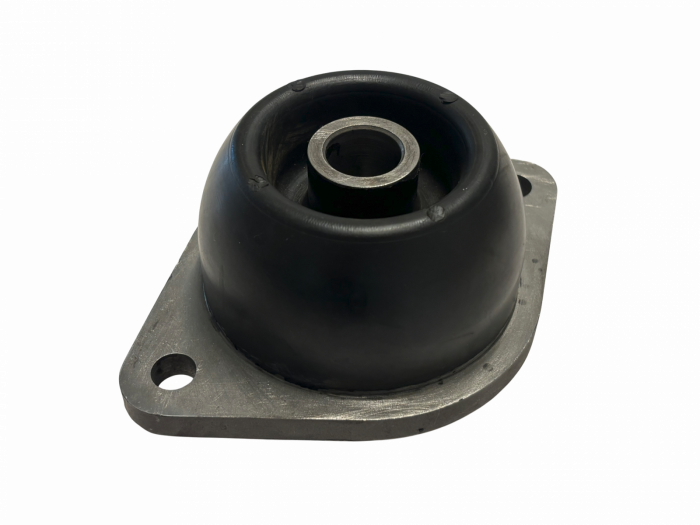
Rubber Gaskets
Moulded and cut rubber gaskets for structural connections, mechanical room equipment, flange sealing, and building services. EPDM, neoprene, and NBR compounds available.
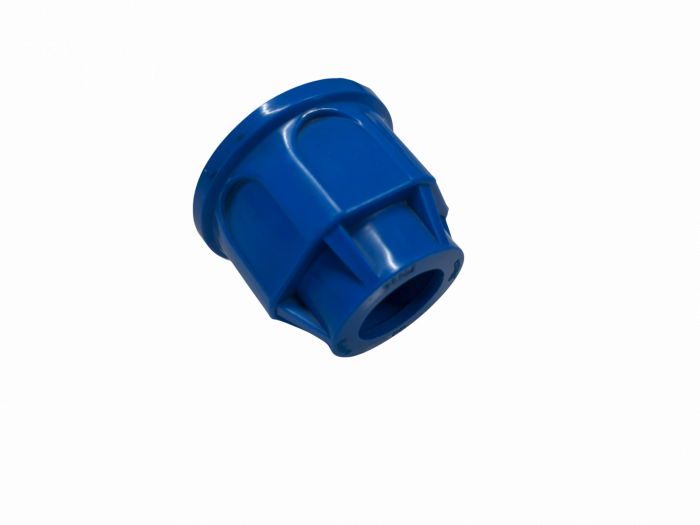
Plastic Injection Parts
Precision injection moulded components for window systems, door hardware, and construction fixings — produced alongside rubber components for a single-supplier solution.
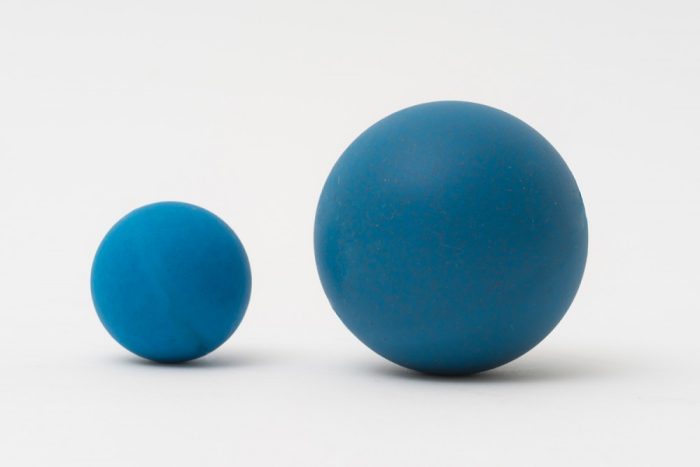
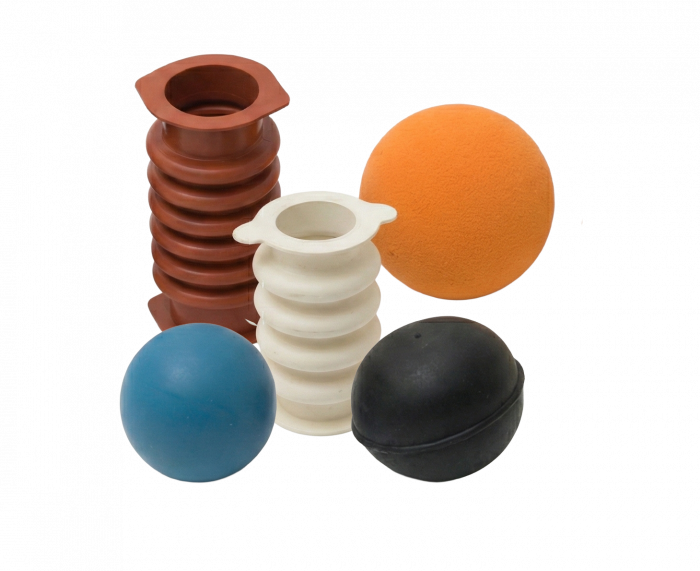
Screen Balls
Rubber screen balls for vibrating screens used in construction material processing, aggregate screening, and quarrying. Prevent mesh clogging and reduce downtime.

Rubber Traffic Cones
Heavy-duty rubber traffic cones for construction site safety and traffic management. More durable than plastic equivalents, resistant to UV, vehicle impact, and site conditions.
URM rubber components are used across the full range of construction sub-sectors — from commercial glazing and curtain wall systems to residential door and window manufacturing.
EPDM extruded gaskets and silicone backup seals for unitised and stick curtain wall systems. Pressure plate seals, glazing channel gaskets, and setting block profiles.
EPDM glazing gaskets and perimeter sealing profiles for PVC-U, aluminium, and timber window and door systems. Long-term weathertightness and acoustic performance.
D-seals, P-seals, and U-channel profiles for commercial doorsets — fire doors, access hatches, and loading dock shelters. EPDM standard; silicone for high-temperature applications.
Rubber expansion joint profiles for structural movement accommodation in concrete frames, bridge decks, and flooring systems. Custom cross-sections to design specification.
Rubber screen balls for vibrating screen meshes in aggregate processing, recycling, and quarrying operations. Maintains screen efficiency and reduces mesh blinding.
Rubber traffic cones for construction site perimeter management, temporary traffic control, and on-site safety layouts. Weighted base for stability; UV and weather resistant.
Rubber setting blocks, packers, and structural gaskets for structural glazing applications. Correctly sized and hardness-specified to distribute glass loads without point loading.
Rubber gaskets and anti-vibration mounts for mechanical plant rooms — pipe flanges, HVAC equipment, pump bases, and generator sets in commercial buildings.

1. EPDM expertise for building envelopes
EPDM is the standard outdoor construction compound — and we produce it across the full range of construction cross-sections. Glazing gaskets, curtain wall profiles, door seals, and expansion joints, all in one place.
2. Bespoke cross-sections from drawings
Construction window and curtain wall systems often require profiles specific to the system geometry. URM develops bespoke dies from your drawings and holds them for repeat production throughout the product’s commercial life.
3. Dimensional precision for glazing
Glazing gaskets must hold tight tolerances for correct glass retention. Our ISO 9001 quality system controls channel width and wall thickness on every production run — not just first article.
4. Full product range for construction
Extrusions, gaskets, plastic components, screen balls, and traffic cones — multiple construction rubber requirements from one ISO-certified supplier with full material traceability.
5. Long-term supply for system manufacturers
Window and door system manufacturers need the same gasket profile available for 15–20 years of system production. Our tooling library and long-term supply model support this directly.
6. Belgium-based, EU supply chain
URM has been headquartered in Belgium since 1935. Fast EU delivery for construction projects and production facilities across Europe. Reliable supply for time-sensitive construction programmes.
EPDM is the standard specification for glazing gaskets and curtain wall seals. Its outstanding UV, ozone, and weather resistance means it does not crack, harden, or degrade on long-term outdoor exposure. Low compression set ensures the gasket continues to seat the glass correctly throughout a building's service life. Silicone is the alternative for applications requiring higher temperature performance or longer-term ageing resistance.
Yes. URM produces bespoke EPDM glazing gaskets from your 2D cross-section drawing or DXF file. Our engineers verify the die geometry for correct glass retention and tolerancing, then produce the tooling. Dies are held in our library for the lifetime of the window system production — typically 15–20 years. This is our standard model for window and curtain wall system manufacturers.
Solid EPDM door seals provide a firm, load-bearing seal — more force is required to compress them but they resist mechanical load on the seal face. Sponge (foam) EPDM seals are highly compressible at low closure force, making them suitable for lightweight doors, van bodies, and applications where easy closure is required. The correct choice depends on the door weight, closure force, and gap to be sealed.
Yes. URM supplies rubber screen balls for vibrating screens used in aggregate processing, quarrying, and construction material recycling. Rubber screen balls prevent mesh blinding — the ball bounces against the mesh during operation, clearing blocked apertures and maintaining screening efficiency. Available in various diameters to suit your screen mesh specification.
Yes. URM's rubber traffic cones are specifically designed for heavy-duty site conditions. The solid rubber construction is more durable than plastic equivalents — resistant to UV, vehicle impact, and the abrasive ground conditions typical of construction sites. Available in standard dimensions compliant with European traffic safety standards.
Standard dimensional tolerances follow DIN ISO 3302. For glazing gaskets where channel width is critical for correct glass retention, tighter tolerances are achievable depending on cross-section geometry and EPDM compound hardness. Applicable tolerances are confirmed and documented at the quotation stage as part of our ISO 9001 quality management process.
Send us your glazing gasket drawings, door seal requirements, or site safety needs. Our engineering team will specify the correct compound and cross-section, and respond with a proposal for ongoing supply.
 Request a Quote
View all products
Request a Quote
View all products