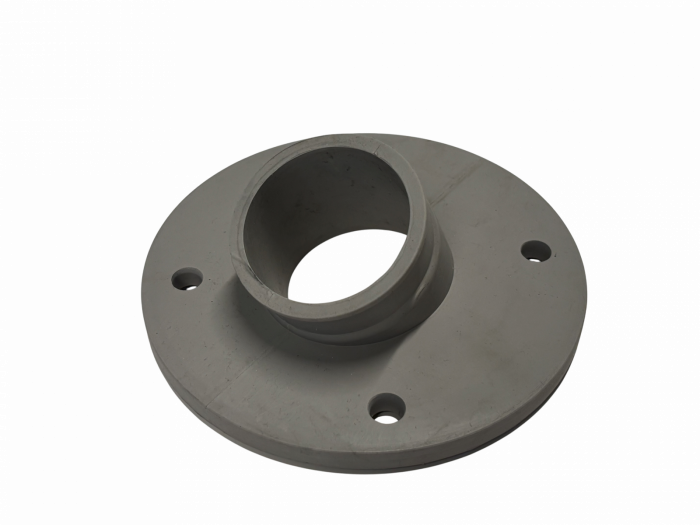

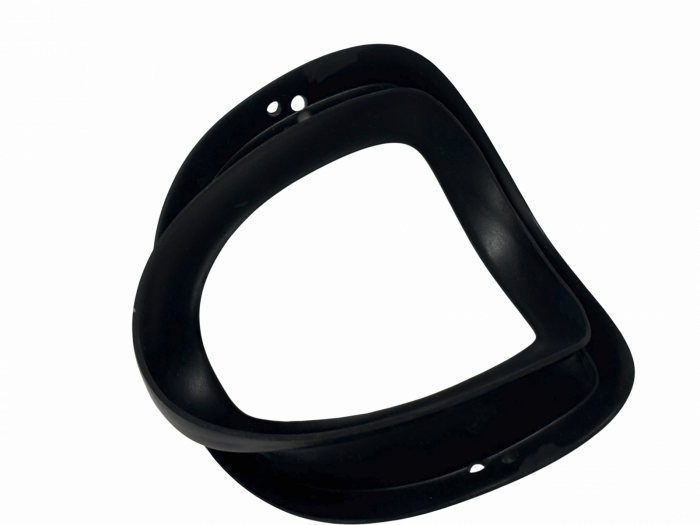
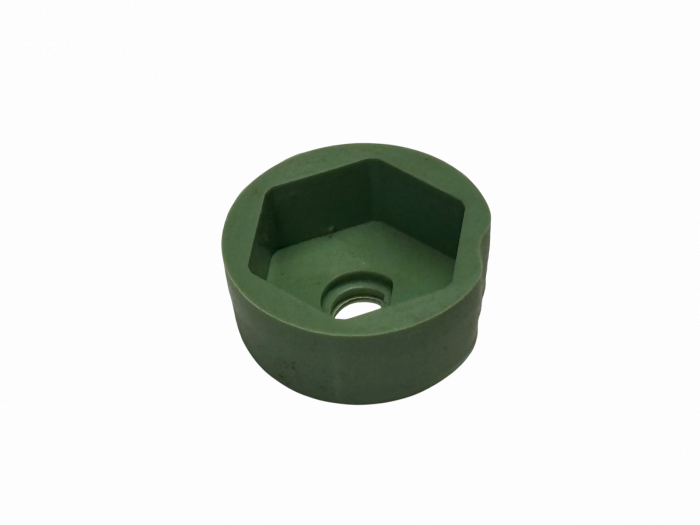
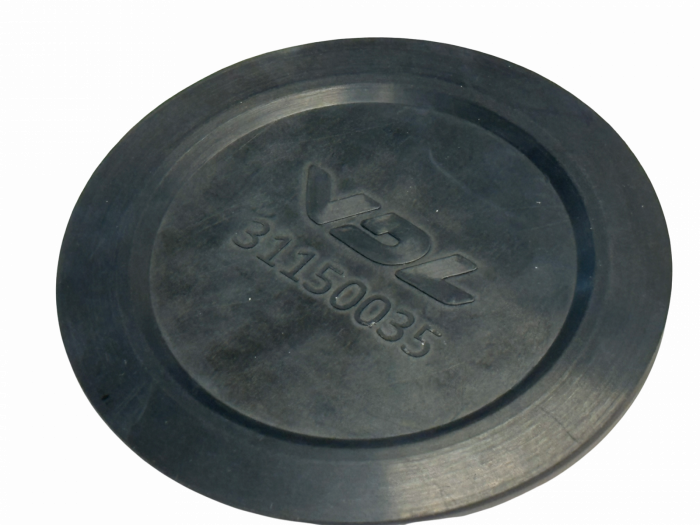
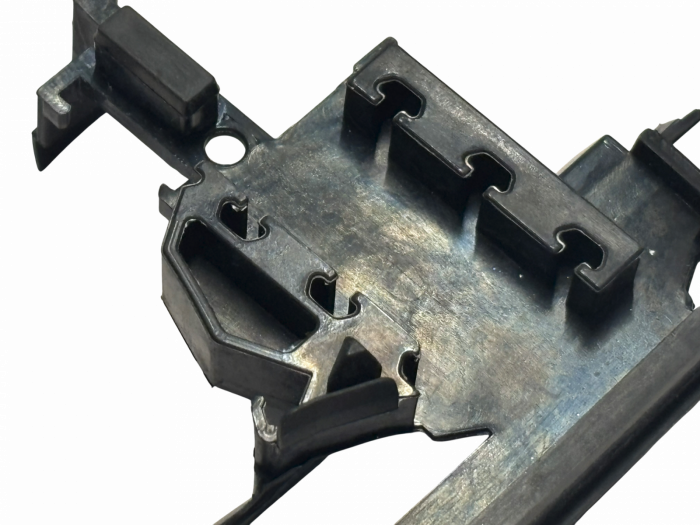
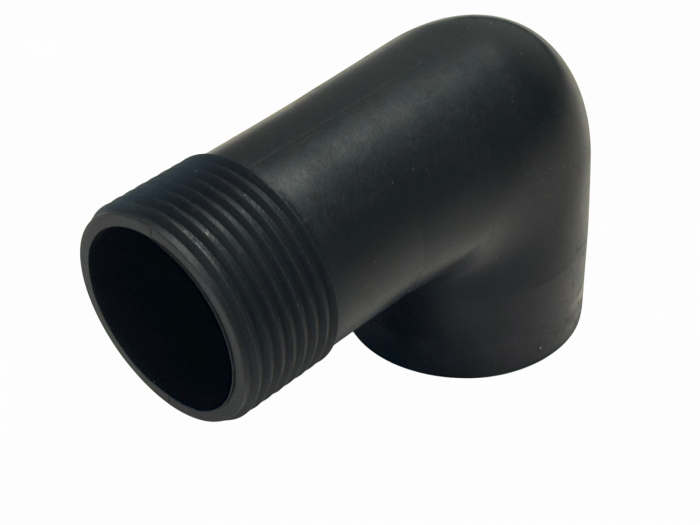
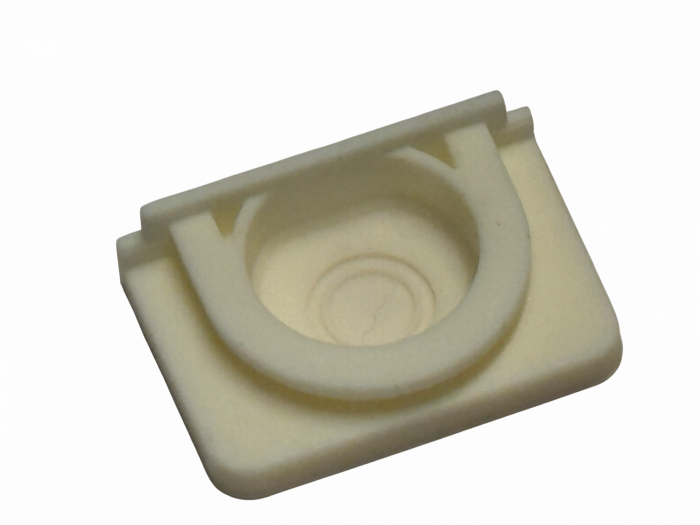
URM specializes in the design and manufacture of high-quality, custom rubber moulded parts engineered to meet demanding industrial requirements. Supported by a modern production facility and a team of skilled technical professionals, we deliver precision-moulded rubber components that consistently meet customer drawings, material specifications, and tight dimensional tolerances.
 Request a Quote
 Explore our products
We are dedicated to delivering the highest quality rubber molded parts tailored to your specific needs. Our commitment goes beyond manufacturing; it encompasses every stage of the process, from planning and budgeting to selecting the optimal molding process. Our goal is to ensure transparency and excellence every step of the way.
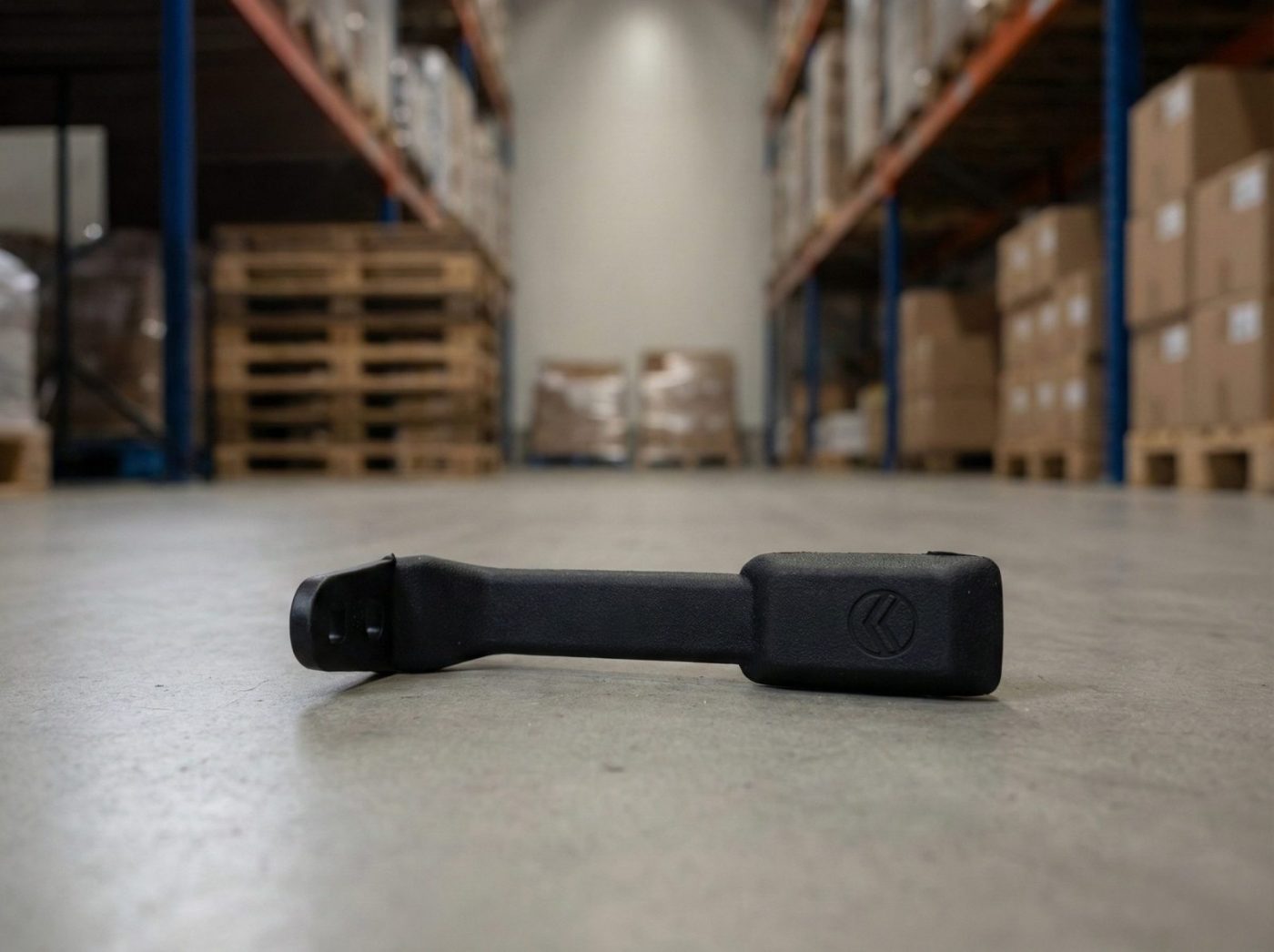
URM produces custom rubber parts that need to function in demanding environments. Whether you require a simple sealing element or a complex technical component, our moulding processes ensure consistent quality from prototype to mass production. With a history dating back to 1935, we combine modern methods with deep material knowledge to help our customers achieve long lasting, high performing results.
Why choose URM for custom moulded rubber parts
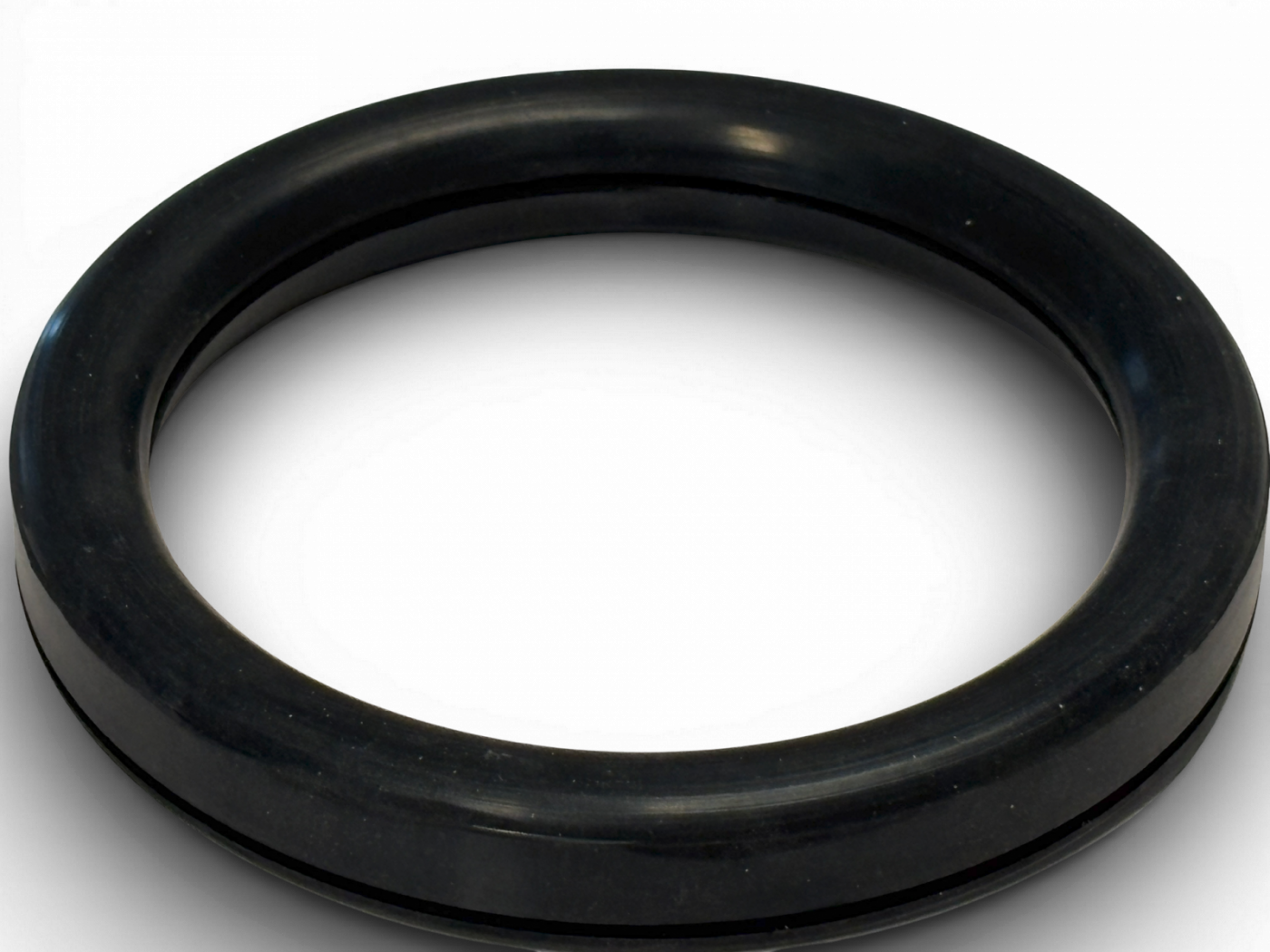
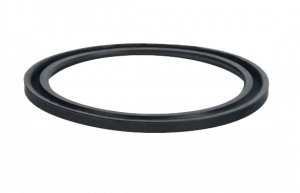
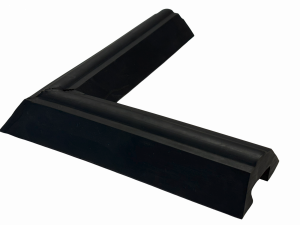
URM manufactures precision rubber seals designed to provide reliable sealing performance under compression across a wide range of operating conditions. Proper material selection is critical to seal longevity and performance, particularly when exposed to pressure, temperature extremes, chemicals, or dynamic movement.
Our engineering team supports customers throughout the selection process, ensuring the appropriate elastomer compound is chosen based on environmental exposure, contact media, and service life expectations. All seals are produced to meet exact dimensional and functional requirements.
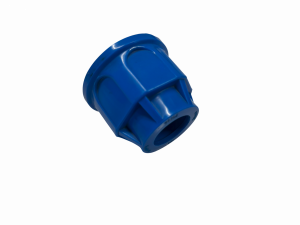
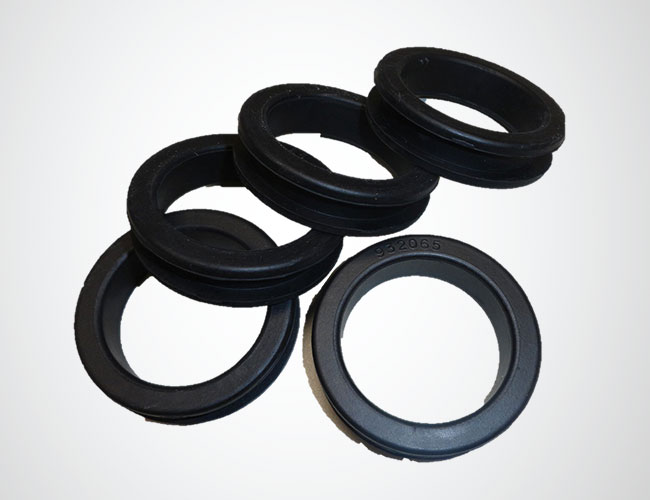
Rubber grommets are used to protect cables, wires, and hoses as they pass through metal or rigid panels, preventing damage from sharp edges while also providing vibration damping and insulation.
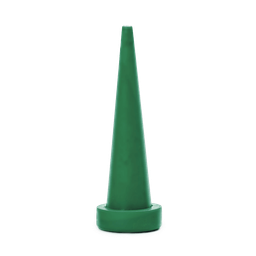
URM produces both open grommets and blanking grommets, the latter designed to seal unused panel holes and prevent the ingress of dust, moisture, or contaminants. While a wide range of standard grommets is available, we specialize in custom-engineered grommets manufactured according to customer drawings and technical specifications.
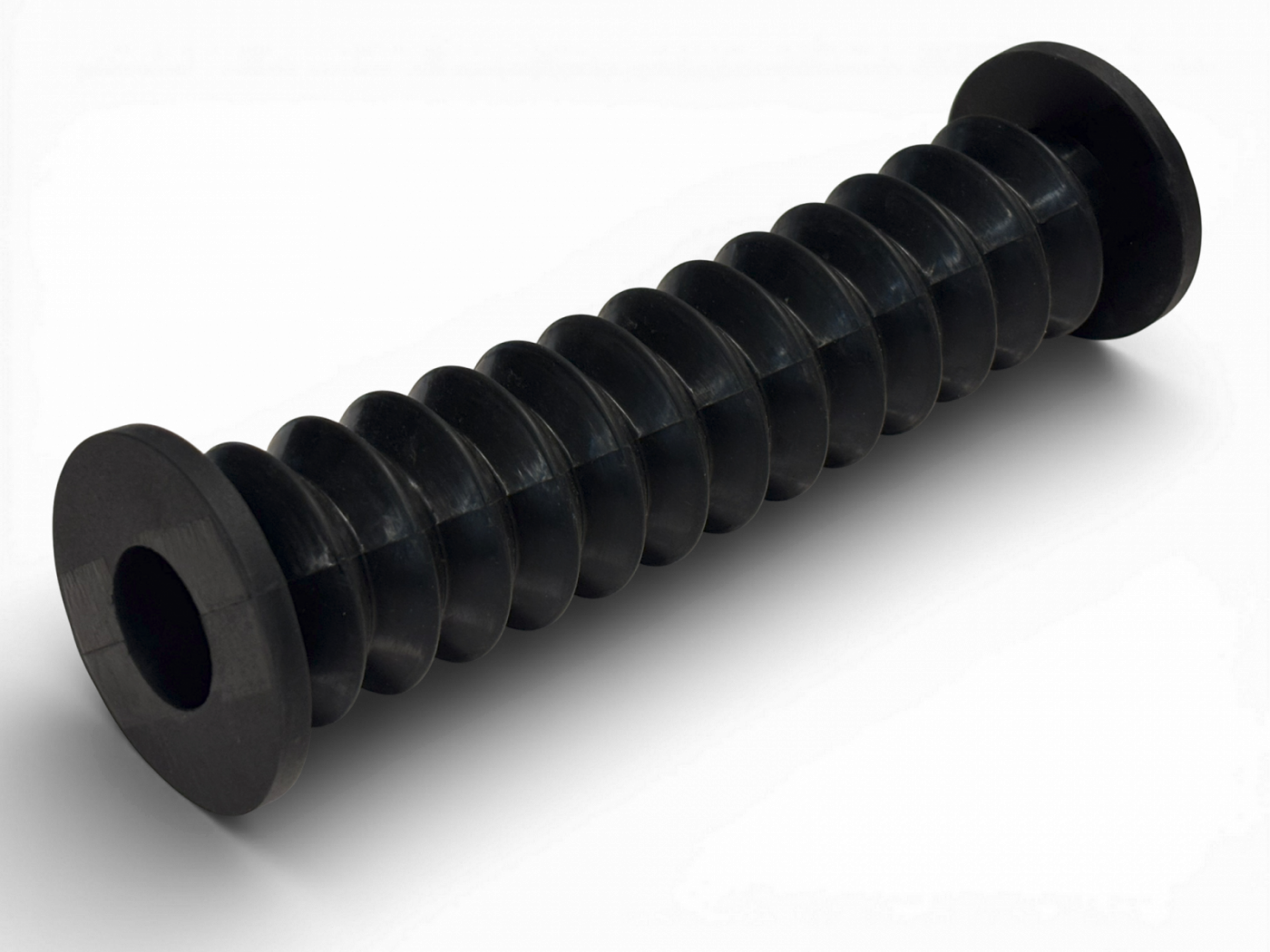
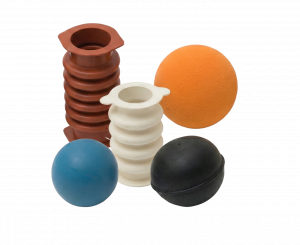
URM designs and manufactures rubber boots and bellows to protect moving mechanical components from external contaminants such as dust, dirt, water, chemicals, oil spray, and UV exposure.
Our bellows are typically cylindrical but can also be produced in conical or rectangular geometries depending on the application. The convoluted design allows for controlled compression and extension, making them ideal for protecting components such as shafts, spindles, screws, pistons, and guideways.
All boots and bellows are moulded to specification and can be customized in terms of size, wall thickness, hardness, compound selection, and color to ensure optimal performance in both static and dynamic environments.
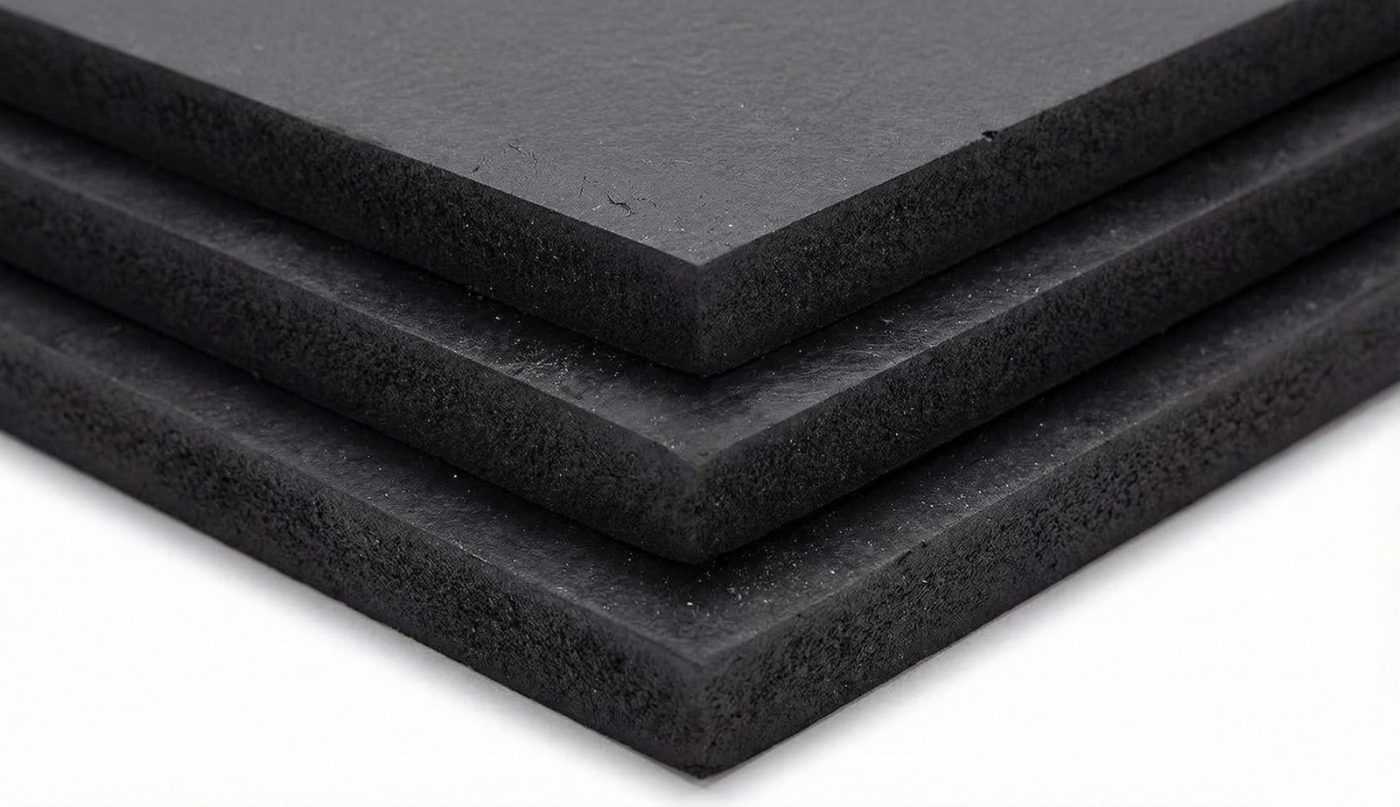
URM supplies a comprehensive range of rubber sheets for industrial and technical applications. Standard and custom formulations are available to meet specific mechanical, chemical, and environmental performance requirements.
Rubber sheets can be supplied in multiple formats, including rolls, strips, mats, and plates. Standard elastomer options include CR (Neoprene®), EPDM, NR (Natural Rubber), SBR, and NBR, with high-performance alternatives such as VMQ (Silicone) and FKM (Viton®) available upon request.
For applications requiring enhanced mechanical strength or dimensional stability, rubber sheets can be manufactured with textile reinforcement layers, including nylon or polyester fabrics, depending on thickness and load requirements.
Rubber moulding is a critical manufacturing process for producing high-performance elastomer components used across automotive, industrial, electrical, and engineering sectors. Depending on material requirements, tolerances, production volumes, and end-use performance, different rubber moulding techniques are employed. Below is an overview of the most widely used industrial rubber moulding processes, each offering distinct technical advantages.
Rubber injection moulding is a highly automated and efficient manufacturing process, ideal for high-volume production of precision rubber and silicone components.
In this process, elastomer compound is fed through an injection barrel and heated until it reaches a controlled flow state. Once the mould closes, the material is injected under pressure into the mould cavities, ensuring complete and uniform filling. The rubber then undergoes a curing cycle, after which the finished parts are demoulded.
Key Advantages:
Injection moulding is commonly used for automotive seals, industrial gaskets, and high-precision rubber components.
Transfer moulding is an advanced rubber moulding process closely related to compression moulding, offering improved material flow and dimensional accuracy for complex components.
In transfer moulding, the uncured rubber compound is placed into a transfer pot located above the mould cavity, rather than being positioned directly inside the mould. Once the press is closed, heat and pressure force the rubber material through runners into the closed mould cavities. The material is then vulcanized under controlled temperature and pressure conditions.
Key Advantages:
Common applications include seals, gaskets, electrical components, and rubber-to-metal bonded parts.
Keywords: Transfer moulding, rubber transfer moulding, vulcanization process, precision rubber components
Compression moulding is one of the most established and cost-effective rubber moulding techniques, particularly suited for robust, high-strength elastomer parts.
The process begins with a pre-measured rubber blank, shaped closely to the final component. This rubber is placed directly into a heated mould cavity. When the mould is closed, heat and pressure are applied, causing the rubber to flow, fill the cavity, and undergo rubber vulcanization.
Key Advantages:
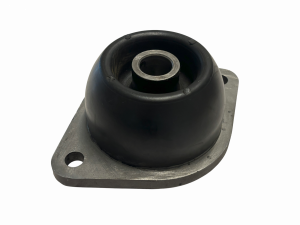
Compression moulding is widely used for industrial rubber parts, anti-vibration components, seals, and heavy-duty elastomer products.
RTV Silicone moulding, also known as Room Temperature Vulcanizing, is a specialized rubber moulding technique designed for applications requiring flexibility, precision, and low-temperature processing.
Unlike traditional rubber moulding methods, RTV silicone moulding uses liquid silicone rubber (LSR) rather than solid rubber gum. The process involves mixing two liquid components—typically a base and a catalyst—before pouring or injecting the mixture into a closed mould. The silicone cures and solidifies at room temperature or mildly elevated temperatures without the need for high pressure.
Key Advantages:
RTV silicone moulding is widely used in medical devices, electronics, sealing systems, and custom silicone components.
Selecting the optimal rubber moulding technology depends on factors such as:
– Material type (natural rubber, EPDM, silicone, NBR, FKM)
– Production volume
– Part complexity and tolerances
– Mechanical and environmental performance requirements
Partnering with an experienced rubber manufacturer ensures the right process is applied to deliver durable, high-quality, and cost-efficient rubber solutions for demanding B2B applications.
Each part is designed and manufactured under ISO-certified systems, ensuring traceability, precision, and consistent performance.
Yes. Our team assists with compound choice, geometry, and prototyping to make sure the final part matches both technical and environmental requirements.
We support both small prototype runs and high-volume production. Our flexible workflow allows fast scaling without sacrificing quality.
Yes. We specialize in rubber-to-metal bonding for vibration control, sealing, and structural applications.
Every stage is documented and verified. From material validation to final inspection, automated and manual checks guarantee compliance with ISO standards.
We serve a wide range of sectors including agriculture, construction, transport, marine, electronics, and general machinery.
Whether you're a startup or an established corporation, we're here to assist you in fulfilling your rubber-metal product needs. Simply fill out the form below, and our dedicated team will ensure prompt and personalized assistance tailored to your specific requirements.
URM excels in rubber-metal products worldwide, accommodating orders of any size with our advanced rubber molding press. Our commitment to excellence and innovation ensures top-quality solutions, cementing our global leadership in the industry.