Door seals, window gaskets, vibration isolation mounts, rubber bellows, and fluid hoses for buses, coaches, trains, and rail vehicles — engineered for high-cycle durability and passenger safety.
 Request a Quote
 Explore our products
Rubber components in buses and rail vehicles must withstand tens of thousands of door open/close cycles, continuous vibration, temperature extremes, UV exposure, and chemical cleaning agents — while maintaining performance that directly affects passenger comfort, safety, and acoustic experience.
A bus or train door seal opens and closes hundreds of times per day. Over a vehicle’s 15–20 year service life, that represents hundreds of thousands of compression cycles. Compound selection, cross-section geometry, and low compression set are critical.
Structure-borne noise and vibration from the powertrain, suspension, and road surface affect passenger comfort. Rubber-metal anti-vibration mounts, isolation pads, and bellows absorb and isolate vibration before it reaches the passenger cabin.
Buses and rail vehicles carry coolant, hydraulic, pneumatic, and increasingly hydrogen fuel cell systems. Hoses and elbows must resist the specific fluids, pressures, and temperatures of each system without failure in service.
Bus and rail OEMs produce vehicles in large volumes with strict QA. Rubber components must be dimensionally consistent across every batch — a gasket that varies by 0.5mm will not fit a precision-machined frame.
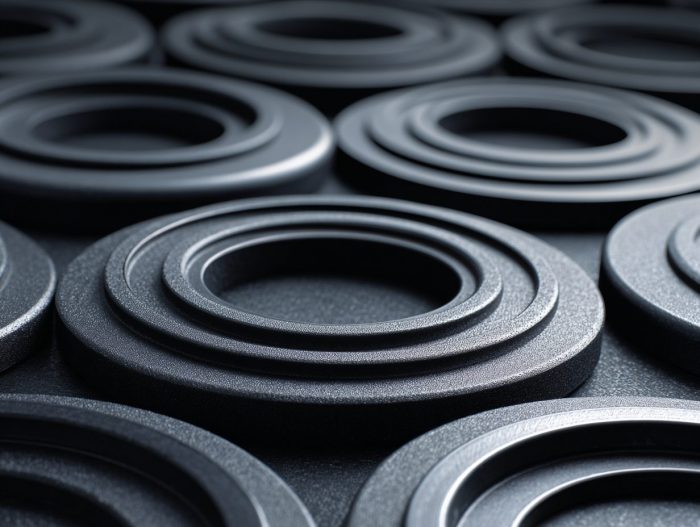
URM supplies the full range of rubber components required across bus, coach, and rail vehicle construction – from extruded door seals to anti-vibration mounts, fluid hoses, and rubber bellows.
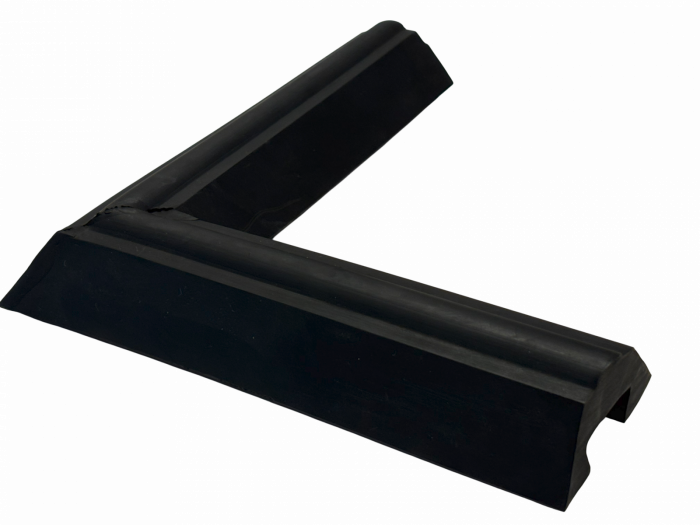
Rubber Extrusions & Profiles
EPDM and silicone door seals, window gaskets, hatch seals, and gripping profiles. Custom cross-sections for vehicle-specific door and window systems. High-cycle compression performance.
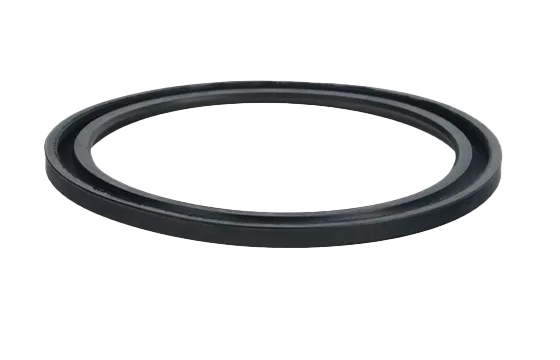
Rubber Gaskets
Moulded rubber gaskets for engine covers, access panels, and fluid system connections. EPDM, NBR, and silicone compounds for temperature and fluid resistance.
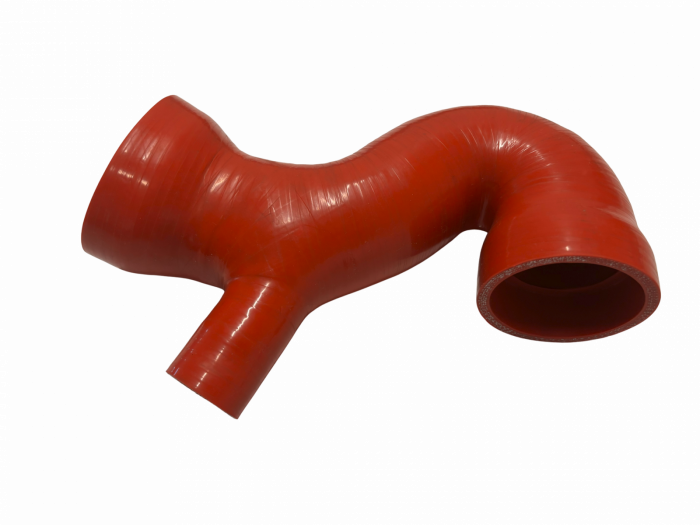
Rubber Hoses & Elbows
Custom rubber hoses and elbows for coolant systems, HVAC ducting, hydraulic circuits, and hydrogen fuel cell vehicle systems. Multiple compound and reinforcement options.
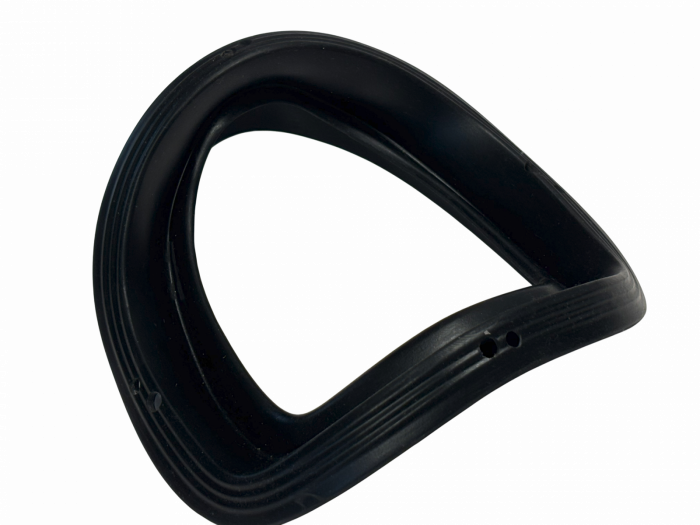
Custom Rubber Moulded Parts
Precision moulded rubber components for grommets, buffers, bump stops, isolation pads, and sealing elements across the full vehicle architecture.
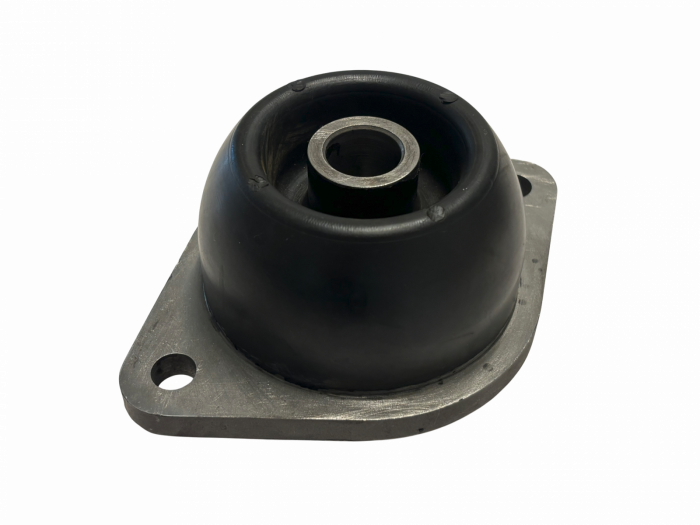
Rubber-Metal Parts
Bonded rubber-metal anti-vibration mounts for engine, gearbox, axle, and auxiliary equipment isolation. Custom load ratings and frequency characteristics to OEM specification.
Rubber Bellows
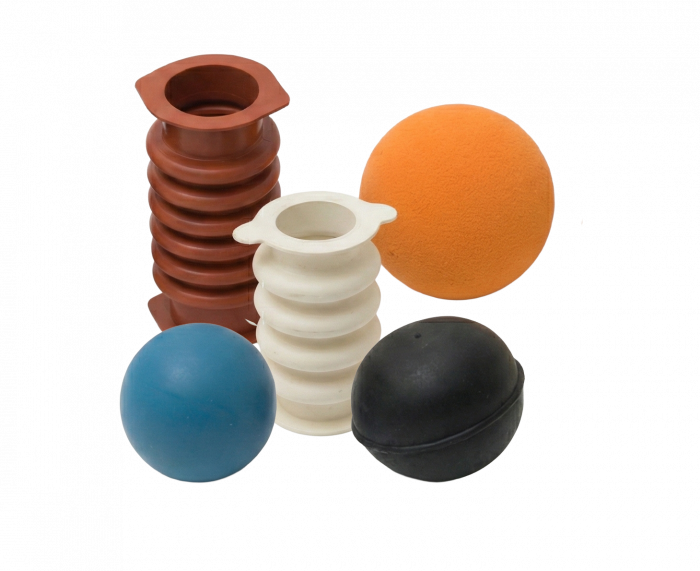
Flexible rubber bellows for articulated bus connections, inter-car gangways, suspension joints, and protective covers on moving parts. NBR, EPDM, and neoprene compounds.
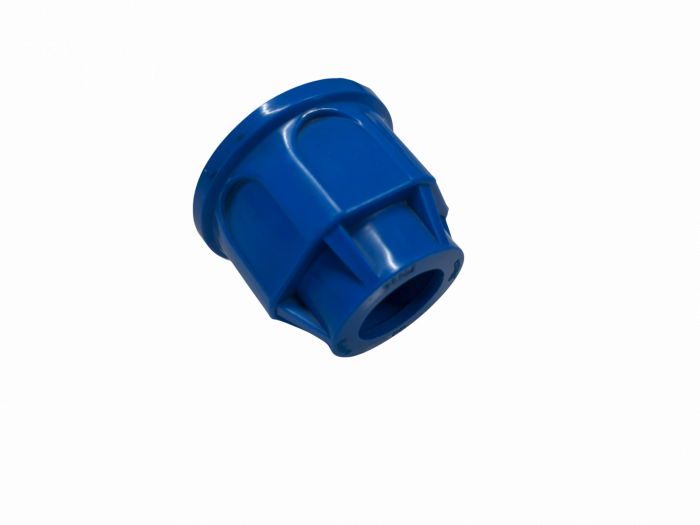
Plastic Injection Parts
Injection moulded components for interior fittings, cable management, door handle components, and trim parts — alongside rubber components from a single supplier.
URM components are used across buses, coaches, light rail, metro, and heavy rail vehicles — in every system from door sealing to powertrain isolation.
EPDM hollow D-profiles and P-seals for passenger door perimeter sealing. Low closure force, high cycle durability, UV and ozone resistant. Custom cross-sections for specific door systems.
Rubber window gaskets and hatch seals for buses, coaches, and rail vehicles. EPDM for exterior positions; silicone for high-temperature or acoustic performance requirements.
Rubber-metal anti-vibration mounts for engine and gearbox installation, cab isolation, and auxiliary equipment mounting. Reduces structure-borne noise to the passenger cabin.
EPDM coolant hoses and silicone high-temperature hoses for engine and EV battery thermal management. Custom elbow geometries and reinforcement specifications.
Large-format rubber bellows for articulated bus connection sections and inter-car gangways on rail vehicles. Flexible, weather-resistant, and UV-stable for exterior service.
Door seals, window gaskets, and inter-car sealing profiles for trams, metro, and commuter rail vehicles. Fire performance grades available on enquiry.
Rubber hoses for hydrogen fuel cell systems and high-voltage cable management. Battery compartment seals and thermal isolation components for EV bus platforms.
Moulded rubber grommets, cable pass-through seals, and protective bellows for electrical systems, cable routing, and mechanical joints throughout the vehicle.

1. Full vehicle rubber range from one supplier
Door seals, gaskets, hoses, moulded parts, anti-vibration mounts, and bellows — all from one ISO 9001 certified supplier. Reduces qualification burden for bus and rail OEMs.
2. High-cycle performance engineering
We understand that a bus door seal must perform through hundreds of thousands of cycles. Compound selection, hardness, and cross-section geometry are all optimised for your specific closure force and cycle count.
3. ISO 9001 dimensional consistency
Vehicle assembly requires that every rubber component fits correctly every time. Our quality management system controls dimensions, compound, and hardness on every batch.
4. Platform lifecycle tooling management
Bus and rail OEMs produce platforms for 10–15 year cycles. Custom tooling is held and maintained through the full production lifecycle — same dimensions, same compound, same quality.
5. EV and hydrogen capability
Our engineering team works with OEMs on thermal management hose specifications, HV cable sealing, and hydrogen-compatible elastomers for electric and fuel cell bus platforms.
6. Belgium-based, fast EU delivery
URM has been headquartered in Belgium since 1935 — well-positioned for European bus and rail OEMs and Tier 1 suppliers. Fast EU delivery to support production scheduling.
EPDM is the standard compound for bus and rail door seals due to its excellent UV, ozone, and weather resistance combined with low compression set and high-cycle durability. Hollow D-profiles and P-seals in EPDM provide the controlled compression characteristic required for passenger door systems. Silicone is specified for higher-temperature positions. Neoprene is used where flame retardancy is required alongside weather resistance.
Yes. URM produces rubber bellows for articulated bus connection sections. These large-format flexible rubber components accommodate the angular and rotational movement between the two vehicle sections while providing a weathertight passenger connection. Available in EPDM and neoprene. Custom tooling produced from your engineering drawings, with production supported through the platform lifecycle.
Yes. We produce rubber hoses and elbows for EV bus cooling systems, including battery thermal management circuits. For hydrogen fuel cell vehicles, we work with OEM engineering teams to specify hoses meeting the pressure, permeability, and chemical resistance requirements of hydrogen systems. Please provide your system specification — compound selection for hydrogen applications requires engineering assessment.
Rubber-metal anti-vibration mounts are bonded assemblies combining a rubber element with metal end fixings. In buses and rail vehicles they isolate the engine, gearbox, axle, and auxiliary equipment from the vehicle structure — preventing vibration transmission to the passenger cabin. Mount performance is characterised by load rating, natural frequency, and static deflection, all specified by URM's engineers based on your isolation requirements.
Yes. If an existing rubber profile needs to be matched for fleet maintenance or vehicle refurbishment, send us a sample or drawing. We will profile the cross-section, identify the compound, and produce matching profiles. This is common for bus fleet operators and rail vehicle refurbishment programmes where the OEM no longer supplies the original component.
Rubber components for rail interiors may need to meet EN 45545 fire, smoke, and toxicity requirements depending on the vehicle category and route classification. Please specify any EN 45545 requirements when requesting a quote — compound selection for fire performance must be confirmed during the engineering phase.
Send us your vehicle specification, drawing references, and production volume requirements. Our engineering team will specify the correct compounds and cross-sections, and respond with a proposal for ongoing platform supply.
 Request a Quote
View all products
Request a Quote
View all products